
(with up so floating many bells down)
spring summer autumn winter
he sang his didn't he danced his did.
Women and men (both little and small)
cared for anyone not at all
they sowed their isn't they reaped their same
sun moon stars rain
children guessed (but only a few
and down they forgot as up they grew
autumn winter spring summer)
that noone loved him more by more
when by now and tree by leaf
she laughed his joy she cried his grief
bird by snow and stir by still
anyone's any was all to her
someones married their everyones
laughed their cryings and did their dance
(sleep wake hope and then)they
said their nevers they slept their dream
stars rain sun moon
(and only the snow can begin to explain
how children are apt to forget to remember
with up so floating many bells down)
one day anyone died i guess
(and noone stooped to kiss his face)
busy folk buried them side by side
little by little and was by was
all by all and deep by deep
and more by more they dream their sleep
noone and anyone earth by april
with by spirit and if by yes.
Women and men (both dong and ding)
summer autumn winter spring
reaped their sowing and went their came
sun moon stars rain
Poem Title: anyone lived in a pretty how town
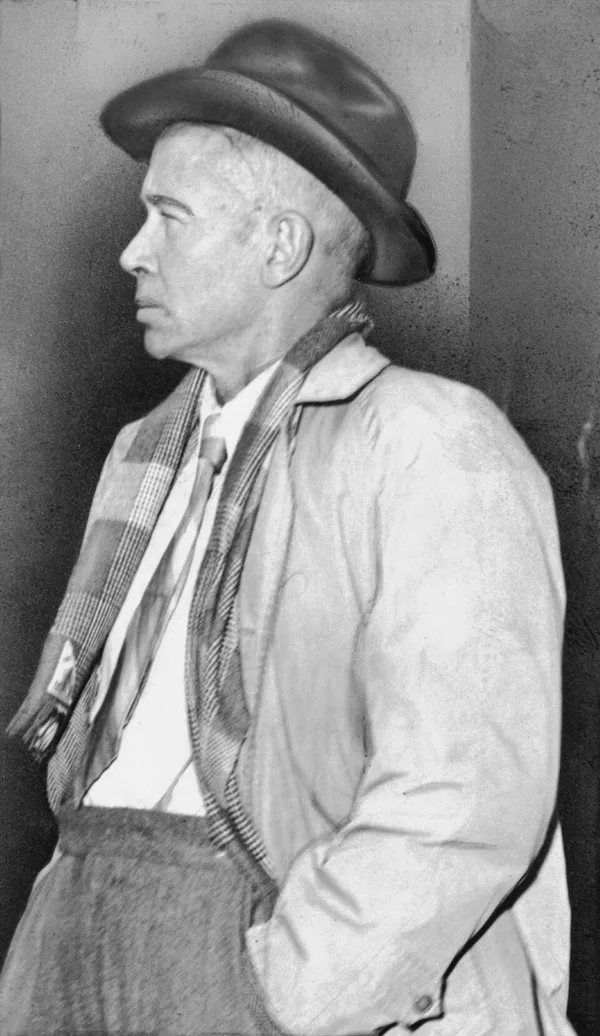
Author: E.E. Cummings (in a highly transformed form)
This rendition is a heavily altered, collage‑style version of the original “anyone” poem. The text plays with repetition, inversion, and playful punctuation to create a dream‑like atmosphere.
Structure & Form
- Non‑linear layout: The poem is broken into irregular stanzas, many of which loop back on themselves (e.g., “spring summer autumn winter” and its reverse). This circularity echoes the cyclical nature of seasons and life.
- Fragmented syntax: Short clauses, parenthetical phrases, and abrupt line breaks give the poem a stream‑of‑conscious feel.
- Visual play: The parentheses and dashes create visual patterns that mimic the original poem’s typographic experimentation.
Key Themes
- Identity & Universality: The repeated use of “anyone” and “noone” blurs individual boundaries, suggesting that everyone shares the same experience of life, love, and death.
- Cycle of Life: The alternation of seasons, the mention of birth (“one day anyone died i guess”), and the “busy folk buried them side by side” reinforce the inevitable rhythm of existence.
- Memory & Forgetting: Lines such as “children guessed (but only a few)” and “the snow can begin to explain how children are apt to forget” highlight the fragility of recollection.
- Love & Loss: The poem oscillates between tenderness (“she laughed his joy she cried his grief”) and indifference (“cared for anyone not at all”), illustrating the complex spectrum of human affection.
Stylistic Devices
- Repetition & Variation: Words like “summer,” “autumn,” and “winter” appear in both forward and reverse order, creating a mirror effect.
- Juxtaposition: Contrasting images (“bird by snow and stir by still”) evoke a surreal, almost paradoxical world.
- Parenthetical asides: These break the flow and add layers of meaning, e.g., “(sleep wake hope and then)they said their nevers.”
- Alliteration & Sound Play: The use of consonant clusters (“dong and ding”) enriches the poem’s sonic texture.
Interpretive Insight
The poem invites readers to contemplate how ordinary moments—seasons, relationships, and simple acts of caring—interweave to form the tapestry of life. By collapsing specific identities into “anyone,” it suggests that our stories are not isolated but part of a shared human narrative.
In essence, this reimagined version preserves the spirit of Cummings’ original while adding a contemporary collage feel that emphasizes the interconnectedness of existence, memory, and emotion.
More poems by E.E. Cummings
People who read this also read
Picked for you from the reading habits of our literary commons.
Poem knowledge graph
A literary network built from the poet who wrote this poem and the words poems have in common.
Click a node to explore it; use the mouse wheel to zoom.