
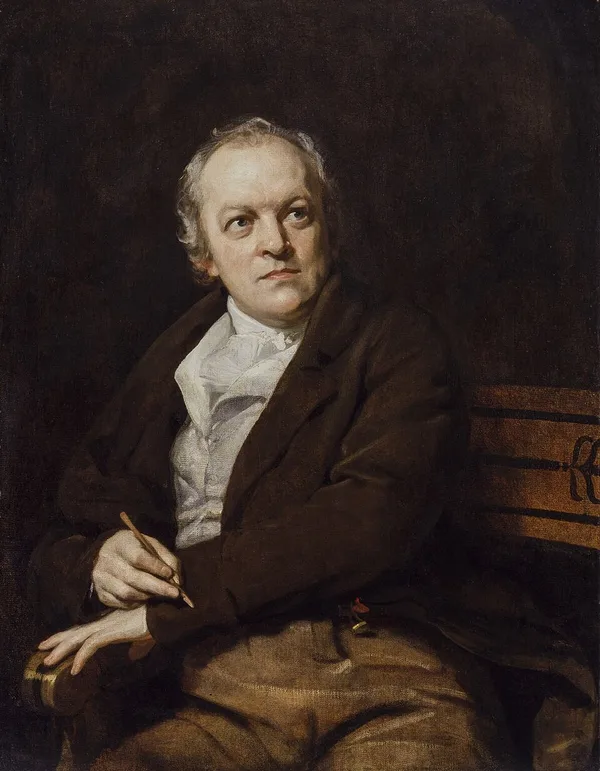
I told my wrath, my wrath did end.
I was angry with my foe:
I told it not, my wrath did grow.
And I watered it in fears,
Night and morning with my tears;
And I sunned it with smiles,
And with soft deceitful wiles.
And it grew both day and night,
Till it bore an apple bright.
And my foe beheld it shine.
And he knew that it was mine,
And into my garden stole
When the night had veiled the pole;
In the morning glad I see
My foe outstretched beneath the tree.
Poetry Analysis: A Poison Tree
The poem presents a narrative that mirrors the moral structure of William Blake’s original “A Poison Tree.” The speaker recounts a progression from anger to revenge, using vivid imagery and a rhythmic cadence that echoes the original’s rhyme scheme. Below is an exploration of key elements: theme, structure, imagery, and moral implications.
Theme
The central theme is the destructive nature of repressed anger. The speaker’s choice to “water it in fears” and nurture the resentment with “tears” and “smiles” transforms a latent hostility into something tangible—an apple that ultimately becomes a vehicle of vengeance.
Structure & Meter
The poem follows an AABB rhyme pattern throughout each stanza, a deliberate nod to Blake’s original. The meter is loosely iambic, creating an almost lullaby-like rhythm that contrasts with the sinister content. This juxtaposition heightens the sense of danger lurking beneath calm surfaces.
Imagery & Symbolism
- Watering with fears, tears, and smiles: These actions symbolize the cultivation of negative emotions. Water (fears), tears, and smiles all serve as nurturing forces that paradoxically foster growth rather than healing.
- The apple: Traditionally a symbol of temptation and sin, the apple here represents the tangible result of unchecked anger—an object that lures the foe.
- Night and morning: The repeated references to time emphasize the relentless, cyclical nature of resentment.
Moral & Psychological Insight
Blake’s original warns that “to be angry with my friend, I told it and let it go.” In contrast, the speaker’s refusal to voice grievances allows resentment to fester. The poem suggests that suppression of emotions can lead to an explosive outcome, mirroring psychological research on anger management.
Comparative Note
The adaptation retains the core moral but reimagines it with a slightly altered perspective—focusing on “friend” versus “foe,” and adding the line “and I sunned it with smiles.” This addition underscores how outward positivity can mask inner malice.
In conclusion, A Poison Tree serves as a cautionary tale about the dangers of harboring anger. Its rhythmic structure, symbolic imagery, and moral clarity make it a compelling study for both literary scholars and those interested in emotional intelligence.
More poems by William Blake
People who read this also read
Picked for you from the reading habits of our literary commons.
Poem knowledge graph
A literary network built from the poet who wrote this poem and the words poems have in common.
Click a node to explore it; use the mouse wheel to zoom.