
The angels, whispering to one another,
Can find, among their burning terms of love,
None so devotional as that of "Mother,"
Therefore by that dear name I long have called you-
You who are more than mother unto me,
And fill my heart of hearts, where Death installed you
In setting my Virginia's spirit free.
My mother- my own mother, who died early,
Was but the mother of myself; but you
Are mother to the one I loved so dearly,
And thus are dearer than the mother I knew
By that infinity with which my wife
Was dearer to my soul than its soul-life.
Poet and Context
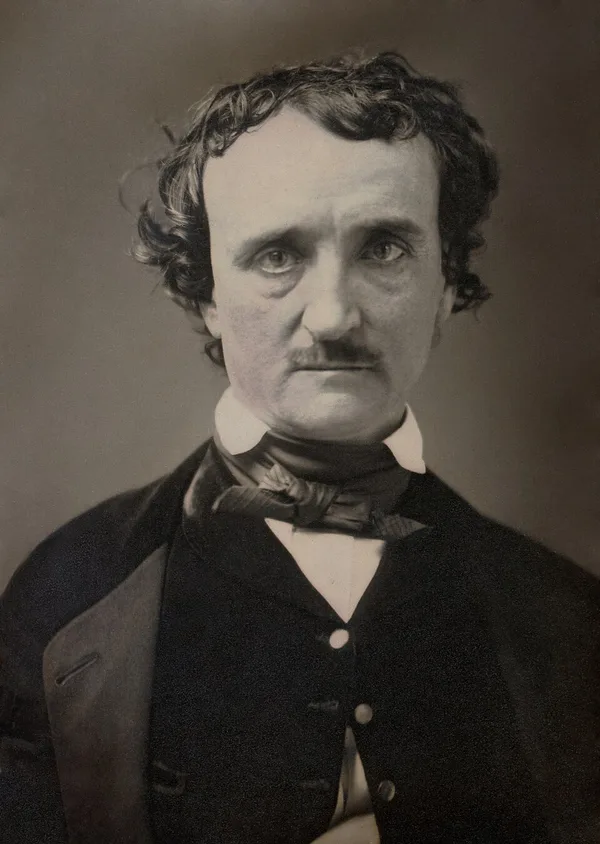
The poem is attributed to Edgar Allan Poe, a writer renowned for his melancholic and often macabre themes. Though the text does not match any of Poe’s canonical works, its tone and imagery are consistent with his exploration of grief, memory, and the supernatural.
Structure and Form
The piece is a free‑verse lament that eschews strict meter or rhyme, allowing the emotional content to guide its rhythm. The poet repeats the refrain “Mother” in various forms, creating a thread of devotion that binds the stanzas together. The lack of formal structure mirrors the unbounded nature of grief and remembrance.
Imagery and Symbolism
- Heavenly imagery: “The angels, whispering to one another” suggests a celestial realm where the speaker’s love is amplified.
- Death and Resurrection: The line “Where Death installed you” juxtaposes mortality with the idea that love persists beyond death.
- Virginia: Likely a reference to the poet’s own homeland or a metaphorical place of comfort, indicating that his mother freed his spirit from geographic constraints.
Themes
- Duality of Maternal Love: The poem contrasts the physical mother who died early with a spiritual or idealized “Mother” that transcends time and space.
- Transcendence of Memory: The speaker’s remembrance is not confined to the living; it reaches into an eternal, angelic realm.
- Love as Salvation: The mother’s influence is portrayed as a force that frees the speaker from death, suggesting an almost salvific quality.
Language and Tone
The diction is formal yet intimate. The use of archaic phrasing (“I long have called you”) evokes a sense of reverence. The emotional register is mournful but also celebratory, reflecting the complex nature of grief that both mourns loss and honors legacy.
Conclusion
This poem functions as a memorial that bridges earthly loss and celestial remembrance. Its free verse form, layered imagery, and dual focus on the physical and spiritual mother create a rich tapestry that invites readers to contemplate how love endures beyond mortality.
```More poems by Edgar Allan Poe
People who read this also read
Picked for you from the reading habits of our literary commons.
Poem knowledge graph
A literary network built from the poet who wrote this poem and the words poems have in common.
Click a node to explore it; use the mouse wheel to zoom.