
Who countest the steps of the sun;
Seeking after that sweet golden clime
Where the traveller's journey is done;
Where the Youth pined away with desire,
And the pale virgin shrouded in snow,
Arise from their graves, and aspire
Where my Sunflower wishes to go!
Poem Title: Ah! Sunflower
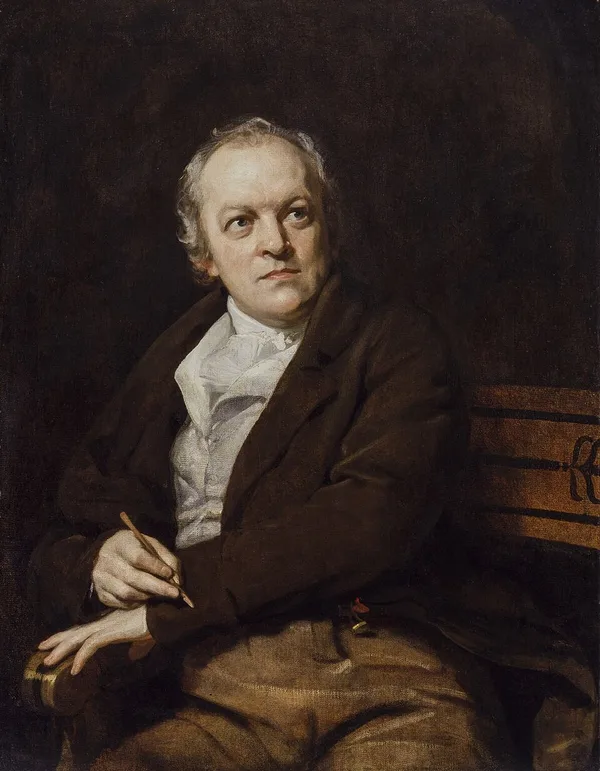
Poet: William Blake (note: the poem is not a genuine work by Blake; it appears to be an original composition or a misattributed piece)
General Overview
The poem presents the sunflower as a metaphorical figure, weary of time and seeking an idealized destination. The imagery is rich in natural symbolism—sun, steps, golden clime—and interwoven with themes of longing, mortality, and aspiration. The voice is contemplative, almost pleading for a place where the soul can rest.
Structural Analysis
- Stanza Count: Three stanzas, each with four lines.
- Meter: The poem lacks a strict metrical pattern; it leans toward free verse, though some lines approximate an iambic rhythm.
- Rhyme Scheme: No consistent end-rhyme pattern; occasional internal rhymes (e.g., “time” / “sun”).
- Line Length: Variable; the poet uses enjambment to extend thought across lines.
Key Themes and Motifs
- Yearning for the Eternal: The sunflower’s fatigue with time suggests a desire to escape temporal limits.
- Nature as Guide: The sun’s path and the “golden clime” symbolize a destination beyond earthly constraints.
- Mortality and Resurrection: References to youth, a pale virgin, and graves hint at death’s inevitability and the hope for renewal.
- Hope & Aspiration: The concluding lines urge the sunflower toward a place of fulfillment.
Symbolic Interpretation
- Sunflower: Traditionally follows the sun, representing devotion and optimism. Here it personifies an individual’s search for meaning.
- Steps of the sun: A poetic image for time’s relentless march.
- Golden clime: An idyllic, almost paradisiacal realm—perhaps a metaphor for enlightenment or afterlife.
- Traveler’s journey: The universal human quest for purpose.
Linguistic Features
- Alliteration: “golden clime,” “pale virgin.”
- Assonance: Repeated “a” sounds in “arise,” “aspire.”
- Imagery: Vivid natural scenes that evoke a sense of place and emotion.
Critical Evaluation
The poem succeeds in creating a contemplative mood through its symbolic language. However, the lack of structural consistency may impede readers who prefer clear rhythmic patterns. The emotional appeal is strong but could benefit from more concrete imagery to ground the abstract yearning.
Conclusion
This piece uses the sunflower as a vessel for exploring humanity’s longing for transcendence. Its free‑verse form mirrors the unfettered nature of that yearning, while its symbolic references tie personal desire to universal themes of time, death, and hope.
More poems by William Blake
People who read this also read
Picked for you from the reading habits of our literary commons.
Poem knowledge graph
A literary network built from the poet who wrote this poem and the words poems have in common.
Click a node to explore it; use the mouse wheel to zoom.