
that like swift horses through the heavens raced
and suddenly leaped across the hurdles
of our wishes—do you recall? And we
did make so many! For there were countless numbers
of stars: each time we looked above we were
astounded by the swiftness of their daring play,
while in our hearts we felt safe and secure
watching these brilliant bodies disintegrate,
knowing somehow we had survived their fall.
Translated by Albert Ernest Flemming
Poem Title: Falling Stars
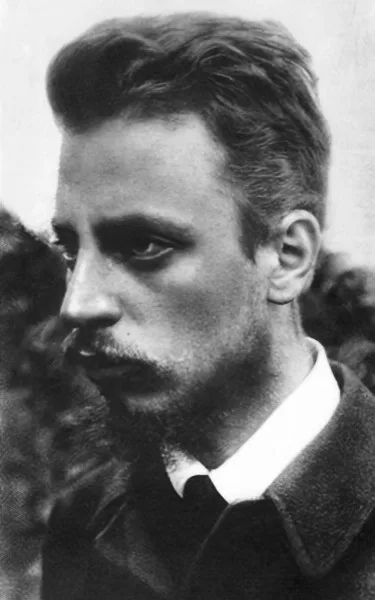
Poet: Rainer Maria Rilke
Do you remember still the falling stars
that like swift horses through the heavens raced
and suddenly leaped across the hurdles
of our wishes—do you recall? And we
did make so many! For there were countless numbers
of stars: each time we looked above we were
astounded by the swiftness of their daring play,
while in our hearts we felt safe and secure
watching these brilliant bodies disintegrate,
knowing somehow we had survived their fall.
Translation by: Albert Ernest Flemming
Poetic Analysis
1. Imagery and Symbolism
- The falling stars are portrayed as “swift horses,” a metaphor that conveys both speed and grace, suggesting an almost mythical or heroic quality.
- The “hurdles of our wishes” implies that these celestial bodies are obstacles or challenges to be overcome, yet the poem speaks of them as being leapt over by the stars themselves.
- “Brilliant bodies disintegrate” evokes a sense of transience; the stars’ light fades, mirroring the fleeting nature of human dreams.
2. Tone and Mood
- The narrator’s tone is reflective, almost nostalgic, inviting the reader to recall shared memories of wonder.
- There is an undercurrent of reassurance: “we felt safe and secure” despite the inherent danger implied by falling.
3. Structure and Rhythm
- The poem is written in free verse, allowing the imagery to flow naturally without strict meter.
- Repetition of “do you remember” and the conversational phrasing creates an intimate dialogue with the reader.
4. Themes
- Transience vs. Permanence: Stars fall, yet their memory lingers in human consciousness.
- Hope and Resilience: Even as the stars “disintegrate,” humans feel safe, suggesting faith in enduring beauty.
- Collective Memory: The poem invites shared recollection, highlighting communal experience of wonder.
5. Literary Context
- Rilke’s work often explores the intersection of the earthly and the metaphysical; this poem continues that tradition by turning a natural phenomenon into a conduit for existential reflection.
- The translation preserves the original’s lyrical quality while making it accessible to an English-speaking audience.
Overall, “Falling Stars” uses vivid celestial imagery to explore how fleeting moments of wonder become enduring memories that provide comfort and a sense of continuity in the human experience.
More poems by Rainer Maria Rilke
People who read this also read
Picked for you from the reading habits of our literary commons.
Poem knowledge graph
A literary network built from the poet who wrote this poem and the words poems have in common.
Click a node to explore it; use the mouse wheel to zoom.