
has grown so weary that it cannot hold
anything else. It seems to him there are
a thousand bars; and behind the bars, no world.
As he paces in cramped circles, over and over,
the movement of his powerful soft strides
is like a ritual dance around a center
in which a mighty will stands paralyzed.
Only at times, the curtain of the pupils
lifts, quietly—. An image enters in,
rushes down through the tensed, arrested muscles,
plunges into the heart and is gone.
Title & Context
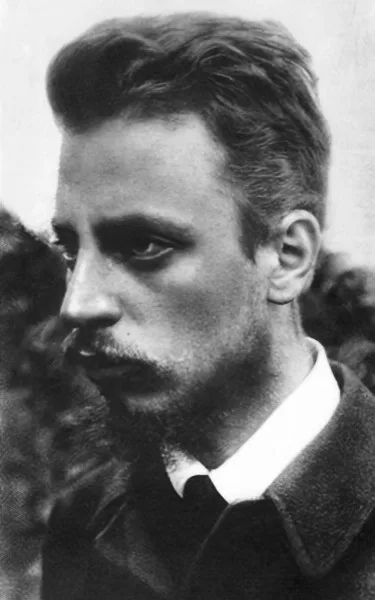
The poem “The Panther” is attributed to Rainer Maria Rilke, a Czech-born German-language poet renowned for his lyrical exploration of inner life and existential longing. Though the text is brief, it encapsulates Rilke’s fascination with the tension between external constraints and internal desire.
Form & Structure
The poem is written in free verse, lacking a regular meter or rhyme scheme. This choice mirrors the subject’s restless movement and psychological agitation. The stanza breaks emphasize pauses in thought, mirroring the “cramped circles” of the panther’s pacing.
Imagery & Symbolism
- Bars: Represent confinement—physical cages, societal expectations, or psychological barriers. The repetition of “bars” conveys claustrophobia and a diminishing capacity for perception.
- Cramped circles: Suggest endless, futile motion; a pattern that offers no escape.
- Soft strides, powerful: Contrasts the animal’s strength with a gentle, almost reverent gait—highlighting the paradox of power restrained.
- Ritual dance: Implies a compulsive, almost ceremonial repetition that keeps the panther in a state of paralysis.
- Curtain of pupils: A fleeting opening to vision, hinting at the possibility of perception beyond bars.
- Image enters, rushes down: Symbolizes a brief moment of insight or memory that penetrates the animal’s guarded interior.
Thematic Interpretation
Rilke presents the panther as a metaphor for the human condition: capable of great potential yet trapped by external limits. The poem questions whether perception can truly escape confinement, suggesting that moments of clarity are fleeting and ultimately absorbed into the heart—an emotional or spiritual abyss.
Language & Tone
The diction is precise and restrained, with occasional enjambment that forces the reader to pause. The tone oscillates between melancholy (“has grown so weary”) and a quiet awe at the brief, almost mystical glimpse of freedom.
Conclusion
This compact poem invites readers to reflect on the paradox of power and constraint, urging an awareness that even in confinement, brief openings—like the curtain of pupils—can offer a glimpse into worlds beyond. Rilke’s subtle, layered language ensures that the poem remains open to multiple readings while preserving its haunting resonance.
```More poems by Rainer Maria Rilke
People who read this also read
Picked for you from the reading habits of our literary commons.
Poem knowledge graph
A literary network built from the poet who wrote this poem and the words poems have in common.
Click a node to explore it; use the mouse wheel to zoom.