
Because a fire was in my head,
And cut and peeled a hazel wand,
And hooked a berry to a thread;
And when white moths were on the wing,
And moth-like stars were flickering out,
I dropped the berry in a stream
And caught a little silver trout.
When I had laid it on the floor
I went to blow the fire aflame,
But something rustled on the floor,
And some one called me by my name:
It had become a glimmering girl
With apple blossom in her hair
Who called me by my name and ran
And faded through the brightening air.
Though I am old with wandering
Through hollow lands and hilly lands.
I will find out where she has gone,
And kiss her lips and take her hands;
And walk among long dappled grass,
And pluck till time and times are done
The silver apples of the moon,
The golden apples of the sun.
Title and Author
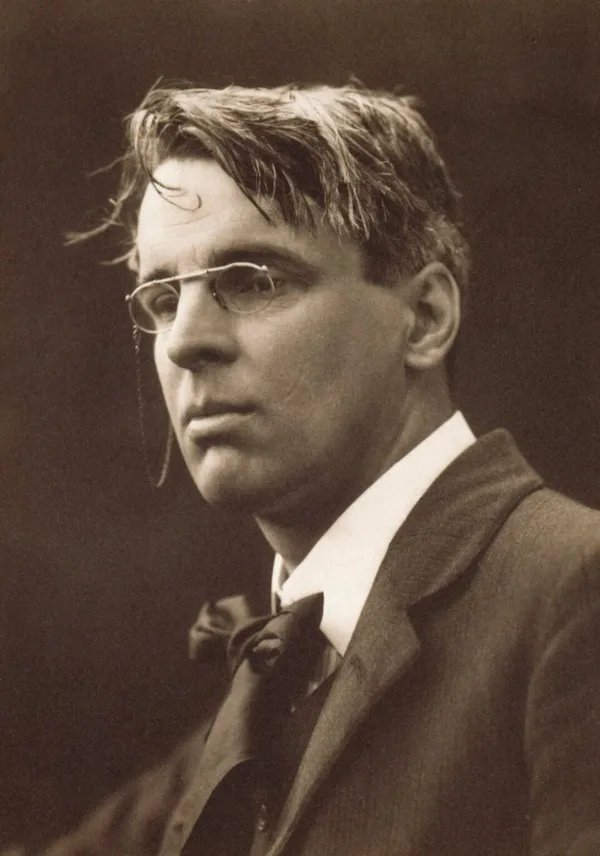
- “The Song of Wandering Aengus” by William Butler Yeats
Overview of the Poem
This lyrical narrative follows a young man’s enchanted journey through a hazel wood, where he encounters a mystical woman who leaves him with an unfulfilled longing. The poem blends natural imagery, mythic allusion, and a sense of timeless wanderlust.
Key Themes
- Quest for the Ideal: Aengus’s search for the elusive girl mirrors a universal longing for beauty, love, or transcendence.
- Nature as Spiritual Medium: The hazel wood, fire, and silver trout are not merely setting; they act as conduits between the mundane world and the mystical realm.
- Time vs. Memory: The poem juxtaposes the present wanderer’s old age with his youthful, dream‑filled past, suggesting that memory keeps the quest alive.
Imagery & Symbolism
- Hazel Wood: Hazel is associated with wisdom and prophecy in Celtic lore, hinting at the poem’s mythic depth.
- Fire in the Head: Symbolizes an internal spark or inspiration that drives the wanderer.
- Silver Trout: Represents fleeting beauty; trout are often linked to water spirits.
- Glittering Girl with Apple Blossom: Combines the fruit of knowledge (apple) with floral softness, embodying an ethereal muse.
- Silver & Golden Apples: A duality of night and day, or the moon’s silver light versus the sun’s golden rays; they can also reference the “apple of youth” or everlasting desire.
Structure & Meter
- The poem is written in free verse with a musical quality that echoes traditional Irish folk songs.
- Repetition of “I” and “and” creates a rhythmic chant, enhancing the lyrical flow.
Interpretation of the Narrative Arc
- Aengus leaves home to seek inspiration in nature.
- He encounters a mysterious woman who embodies the ideal of beauty.
- The encounter is fleeting; she disappears, leaving a lingering desire.
- Despite aging and wandering through various lands, he remains committed to finding her again.
Conclusion
Yeats’s poem is a meditation on the persistence of longing and the role of nature as both backdrop and catalyst for human yearning. Its mythic undertones, combined with vivid natural imagery, render it a timeless exploration of the human condition.
More poems by William Butler Yeats
People who read this also read
Picked for you from the reading habits of our literary commons.
Poem knowledge graph
A literary network built from the poet who wrote this poem and the words poems have in common.
Click a node to explore it; use the mouse wheel to zoom.