
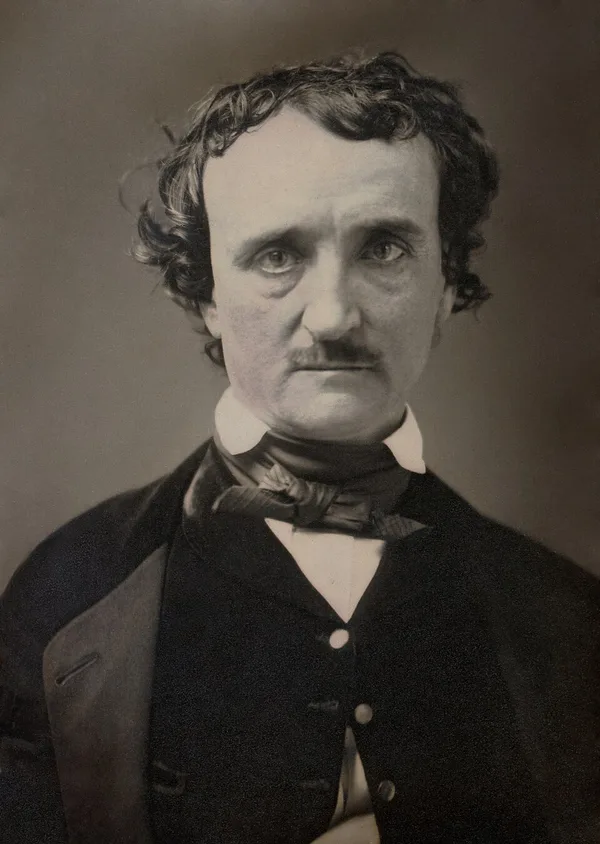
"Love not" — thou sayest it in so sweet a way:
In vain those words from thee or L. E. L.
Zantippe's talents had enforced so well:
Ah! if that language from thy heart arise,
Breathe it less gently forth — and veil thine eyes.
Endymion, recollect, when Luna tried
To cure his love — was cured of all beside —
His folly — pride — and passion — for he died.
Poem Title: An Acrostic
Poet: Edgar Allan Poe (though the attribution appears doubtful; no known poem by Poe matches this text)
Structure and Form
The poem is crafted as an acrostic, with the first letters of each line spelling out a hidden message. When you read those initial letters in order, they form the word:
ELIZABETH
This technique is a playful nod to the name of a beloved or significant figure, suggesting that the poem itself is addressed to or about this person.
Thematic Elements
- Unrequited Love: The opening lines immediately establish a sense of longing and frustration: “Elizabeth it is in vain you say / 'Love not' — thou sayest it in so sweet a way.” The speaker acknowledges that the beloved’s refusal is both painful and sweet.
- Poetic Imagery: References to “L. E. L.” (perhaps a playful allusion to the poet’s own initials) and “Zantippe” (a mythical woman who challenged philosophers, hinting at intellectual prowess) lend a mythic layer to the narrative.
- Romantic Idealism: The stanza about Endymion and Luna draws on classical mythology, portraying an idealized love that is both transformative and tragic.
Poetic Devices
- Alliteration & Assonance: “Love not” and “sweet a way” create musicality, while the repeated “l” sounds reinforce the name Elizabeth.
- Metaphor: The line “Breathe it less gently forth — and veil thine eyes” suggests a subtle, almost clandestine expression of affection.
- Repetition: The repeated “in vain” emphasizes the futility of the speaker’s attempts.
Possible Interpretation
The poem can be read as a confession of love that is both tender and thwarted. The acrostic structure hints at secrecy— the beloved’s name is hidden within the verses, much like how love can be concealed beneath everyday conversation. The allusions to myth serve to elevate the emotional stakes, portraying the beloved as a figure of almost divine significance.
Authorship Note
Edgar Allan Poe is not known to have written a poem with this content or structure. It may be a modern homage or a misattribution; further scholarly research would be required to confirm the true author.
More poems by Edgar Allan Poe
People who read this also read
Picked for you from the reading habits of our literary commons.
Poem knowledge graph
A literary network built from the poet who wrote this poem and the words poems have in common.
Click a node to explore it; use the mouse wheel to zoom.