
I would not break so calm a sleep,
To wake to sunshine and to show'r,
To smile and weep.
Sleep on, sleep on, like sculptured thing,
Majestic, beautiful art thou;
Sure seraph shields thee with his wing
And fans thy brow —
We would not deem thee child of earth,
For, O, angelic, is thy form!
But, that in heav'n thou had'st thy birth,
Where comes no storm
To mar the bright, the perfect flow'r,
But all is beautiful and still —
And golden sands proclaim the hour
Which brings no ill.
Sleep on, sleep on, some fairy dream
Perchance is woven in thy sleep —
But, O, thy spirit, calm, serene,
Must wake to weep.
Poem Title: To --
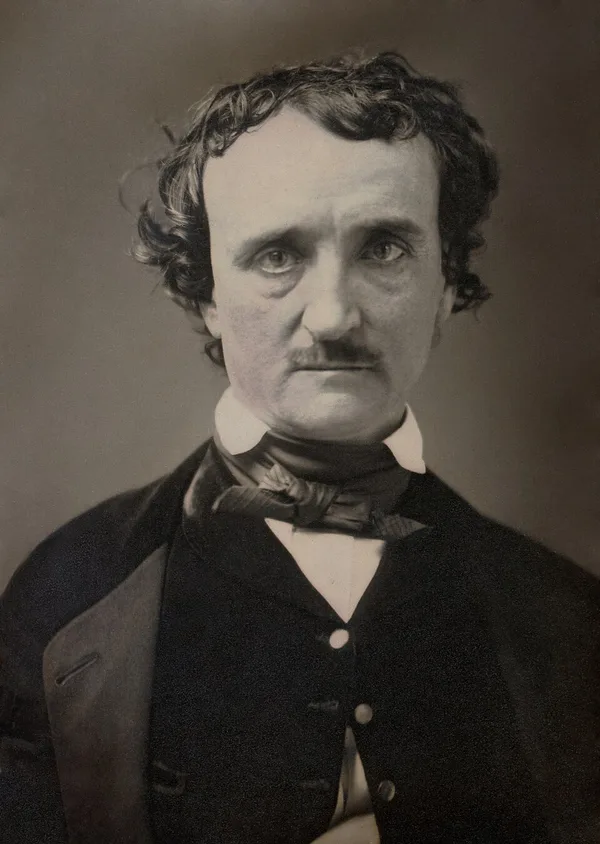
Author: Edgar Allan Poe (though the attribution appears uncertain; this text is not found in any standard edition of Poe’s work)
Textual Overview
The poem repeats the imperative “Sleep on, sleep on” as a refrain that frames four stanzas of contrasting images. Each stanza oscillates between reverence for the sleeper’s beauty and a hint of melancholy or impending awakening.
Structural Features
- Repetition: The refrain functions as a lullaby-like anchor, creating a hypnotic rhythm that mirrors the notion of sleep.
- Stanza length: Four stanzas of equal length (six lines each) give the poem a balanced symmetry.
- Rhyme scheme: The poem follows an irregular rhyme pattern, often ending with the same sound in successive lines (e.g., “sleep,” “keep” is missing; instead we see “sleep,” “weeping”).
- Meter: The meter is loose; some lines have an iambic feel while others are more free‑form, reflecting the dreamlike quality.
Key Themes and Motifs
- Dream vs. Reality: The refrain’s insistence on staying asleep contrasts with the final stanza’s call to “wake to weep,” suggesting an inevitable confrontation with sorrow.
- Divine Beauty: The sleeper is described as “majestic, beautiful” and “angelic,” evoking a celestial comparison. The “seraph shields thee with his wing” and references to “golden sands” reinforce this heavenly imagery.
- Transience of Peace: The poem hints that even the most serene moments are fleeting—“Where comes no storm” yet “to mar the bright, the perfect flow'r.”
- Duality of Emotion: The speaker alternates between admiration (“sleep on, sleep on”) and a subtle warning of impending sorrow (“Must wake to weep”).
Imagery and Symbolism
- “Sculptured thing” and “majestic, beautiful”:** These metaphors liken the sleeper to a work of art, emphasizing permanence against the transient nature of dreams.
- “Seraph shields thee with his wing”:** A protective image that also suggests an angelic presence, reinforcing the theme of divine protection.
- “Golden sands proclaim the hour”:** The sands symbolize time, and their golden hue conveys warmth and fleeting beauty.
- “Fairy dream”:** Conjures a whimsical, otherworldly element that underscores the poem’s dreamlike atmosphere.
Possible Interpretations
- Personal Meditation: The poem could be a meditation on the desire to remain in peaceful, unconscious states while fearing the pain of waking life.
- Poet’s Inner Conflict: It might reflect Poe’s own struggles with melancholy and the allure of escape through sleep or dream.
- Universal Human Experience: The universal longing for tranquility and the inevitable confrontation with sorrow is a theme that resonates broadly.
Conclusion
The poem, with its hypnotic refrain and celestial imagery, presents a poignant meditation on the tension between the comfort of sleep and the unavoidable reality of waking sorrow. Its structure and imagery reinforce this duality, offering a layered exploration that invites readers to contemplate the fragile balance between dream and reality.
More poems by Edgar Allan Poe
People who read this also read
Picked for you from the reading habits of our literary commons.
Poem knowledge graph
A literary network built from the poet who wrote this poem and the words poems have in common.
Click a node to explore it; use the mouse wheel to zoom.