
Somewhere among the clouds above;
Those that I fight I do not hate
Those that I guard I do not love;
My country is Kiltartan Cross,
My countrymen Kiltartan's poor,
No likely end could bring them loss
Or leave them happier than before.
Nor law, nor duty bade me fight,
Nor public men, nor cheering crowds,
A lonely impulse of delight
Drove to this tumult in the clouds;
I balanced all, brought all to mind,
The years to come seemed waste of breath,
A waste of breath the years behind
In balance with this life, this death.
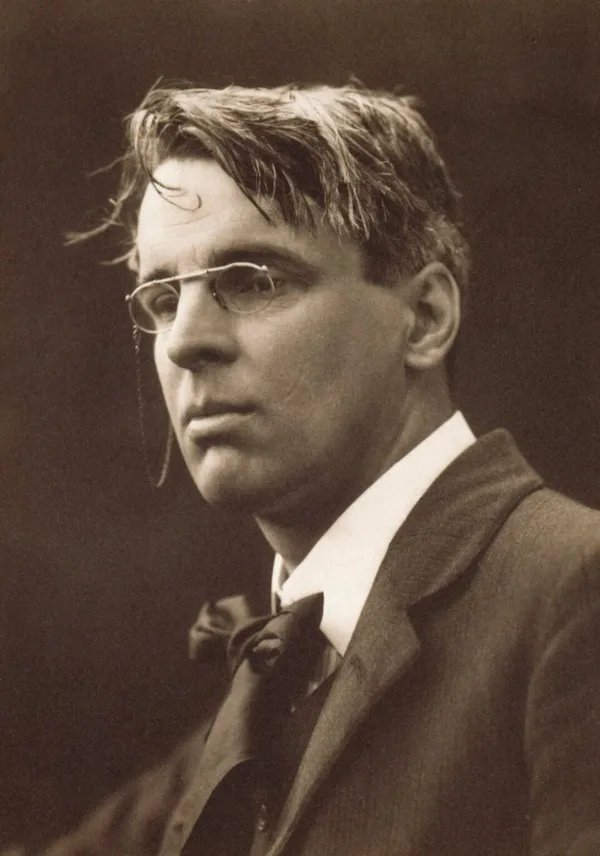
Poem Title: An Irish Airman Foresees His Death Poet: William Butler Yeats
Analytical Overview
Yeats’s brief poem is a contemplative meditation on duty, fate, and the individual’s place within the larger currents of history. The speaker—an Irish airman—approaches his impending death with a calm, almost detached acceptance. The poem’s structure is tightly controlled: four stanzas of six lines each, a consistent ABABCC rhyme scheme that mirrors the disciplined rhythm of an aircraft’s flight path.
Key Themes
- Determinism vs. Agency: The airman acknowledges that his fate is sealed (“I know that I shall meet my fate”), yet he still exercises personal choice in engaging in battle, driven by a “lonely impulse of delight.”
- National Identity: References to “Kiltartan Cross” and the impoverished countrymen highlight Yeats’s preoccupation with Irish nationalism, yet the airman feels detached from both patriotism and resentment toward enemies.
- Temporal Reflection: The juxtaposition of “the years to come” and “the years behind” suggests a cyclical view of time, where past sacrifices are weighed against future uncertainties.
- Mortality and Purpose: The final couplet frames life and death as a balanced equation, implying that the airman’s sacrifice is both inevitable and necessary.
Imagery & Symbolism
- Clouds above: Represents the liminal space between life and death, as well as the aircraft’s high altitude.
- “Kiltartan Cross”: A symbolic cross that could refer to a battlefield or the crucifixion of national struggle.
- “Wasted breath”: Conveys the futility of life’s temporal concerns in the face of a predetermined destiny.
Poetic Techniques
- Repetition: The line “My country is Kiltartan Cross” echoes earlier mentions of the airman’s homeland, reinforcing the centrality of national identity.
- Contrast: The juxtaposition between “those that I fight” and “those that I guard” underlines the ambivalence of combat.
- Parallelism: The mirrored structure in the final stanza (“The years to come … The years behind”) creates a rhythmic symmetry that mirrors the balance between life and death.
Conclusion
Yeats uses the airman’s perspective to interrogate broader questions about personal sacrifice, national duty, and the inevitability of death. The poem’s restrained form and careful diction reflect the poet’s own complex relationship with Ireland’s turbulent political landscape, while inviting readers to consider how individuals navigate the inevitable intersection of fate and choice.
More poems by William Butler Yeats
People who read this also read
Picked for you from the reading habits of our literary commons.
Poem knowledge graph
A literary network built from the poet who wrote this poem and the words poems have in common.
Click a node to explore it; use the mouse wheel to zoom.