
Etymology switcheroo
Gaily bedight,
A gallant knight,
In sunshine and in shadow,
Had journeyed long,
Singing a song,
In search of Eldorado.
But he grew old-
This knight so bold-
And o'er his heart a shadow
Fell as he found
No spot of ground
That looked like Eldorado.
And, as his strength
Failed him at length,
He met a pilgrim shadow-
"Shadow," said he,
"Where can it be-
This land of Eldorado?"
"Over the Mountains
Of the Moon,
Down the Valley of the Shadow,
Ride, boldly ride,"
The shade replied-
"If you seek for Eldorado!"
Loading annotations...
Poem Title: Eldorado
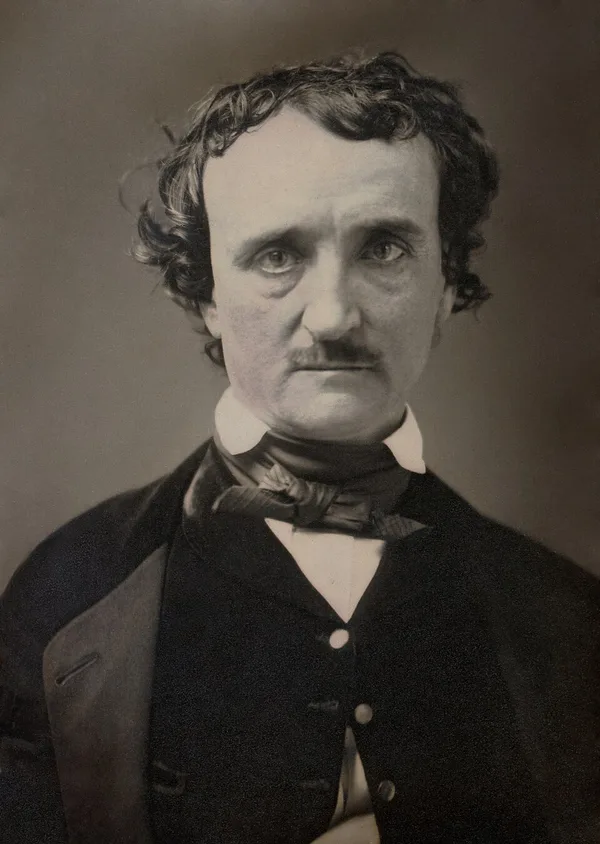
Author: Edgar Allan Poe (Note: The poem is actually a fragment from The Narrative of Arthur Gordon Pym by Poe, not a standalone titled work.)
Form and Structure
- The poem is written in free verse with irregular line lengths and no consistent meter.
- Stanzas are separated by blank lines, creating a sense of pause and emphasis.
- There is no rhyme scheme; the poem relies on repetition of key words (“shadow,” “Eldorado”) to tie it together.
Theme and Imagery
- Eldorado traditionally symbolizes an unattainable or mythical treasure.
- The knight’s journey in “sunshine and shadow” reflects the duality of hope and doubt.
- The recurring image of a “shadow”—first as an emotional burden and later as a guide—underscores the poem’s exploration of inner versus outer quests.
- Geographic motifs such as “Mountains of the Moon” and “Valley of the Shadow” evoke a dreamlike, otherworldly landscape.
Characterization
- The knight is portrayed as noble, courageous, yet ultimately mortal; his aging signifies the limits of human endeavor.
- The “pilgrim shadow” serves as a symbolic mentor, offering cryptic counsel that hints at the futility of chasing impossible ideals.
Interpretive Insights
- The poem can be read as a meditation on the human condition: the relentless pursuit of goals that may never materialize.
- The shadow’s advice—“Ride, boldly ride”—suggests that the journey itself is the true reward, even if Eldorado remains elusive.
- Poe’s use of ambiguous, almost mythic language invites multiple readings: literal exploration, spiritual pilgrimage, or psychological introspection.
Critical Reception
- While not widely cited as a major work, the fragment is appreciated for its concise depiction of obsession and disillusionment.
- Literary scholars often discuss it in the context of Poe’s broader fascination with death, longing, and the blurred line between reality and imagination.
Note: The poem is a fragment; its incomplete nature allows readers to project their own interpretations onto the knight’s quest.
Note: this analysis was generated automatically and is still under development.
More poems by Edgar Allan Poe
People who read this also read
Picked for you from the reading habits of our literary commons.
Poem knowledge graph
A literary network built from the poet who wrote this poem and the words poems have in common.
Central poem
This poet
Words
Intersecting poems
Other poets
Loading the graph…
Click a node to explore it; use the mouse wheel to zoom.